Digital advertising
How much Google Ads costs: spend, management fees and a realistic budget
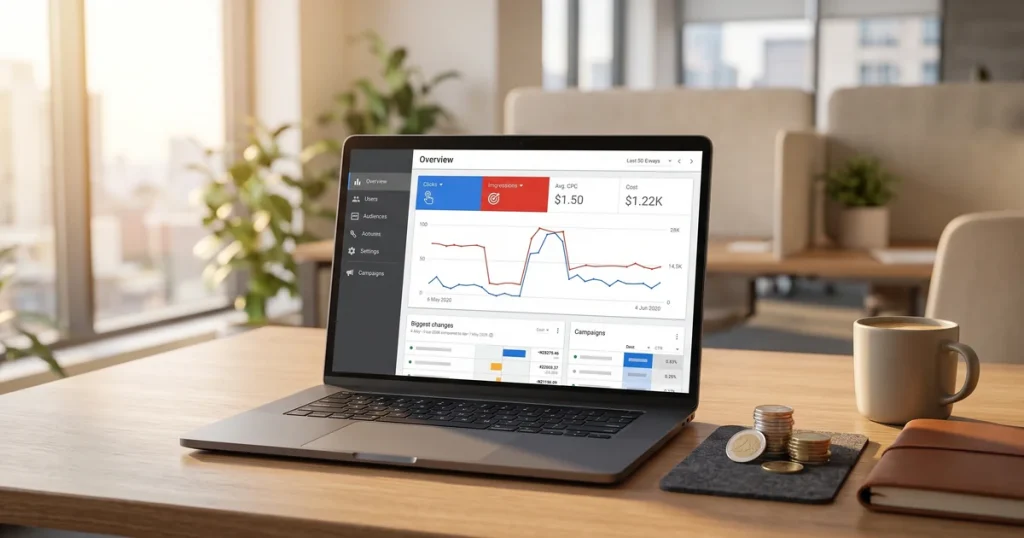
How much Google Ads costs: what you pay Google, what an agency charges to manage it and what budget you need for it to pay off.

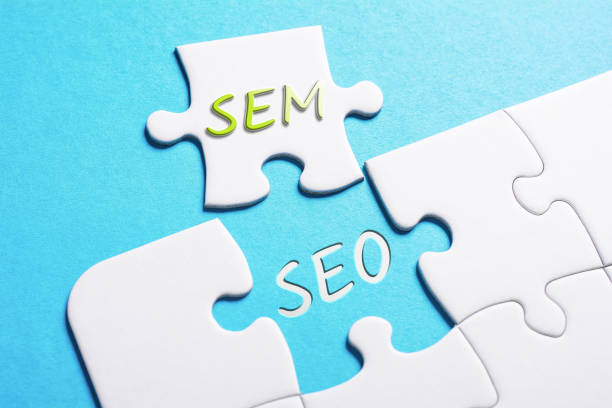
SEO (Search Engine Optimization) is the set of techniques and strategies for improving a website’s organic rankings in the search results. When someone searches on Google and your page appears without being an advert, that is SEO.
The goal of SEO is to get your site into the top positions on Google naturally, without paying for each click. It is done by optimising things like:
SEM (Search Engine Marketing) is search engine marketing that includes paid advertising. In practice, when we talk about SEM we mainly mean paid ads such as Google Ads (formerly Google AdWords).
Technically SEM covers all search engine marketing (including SEO), but in everyday use SEM means paid search advertising.
You create ad campaigns, choose the keywords you want to appear for, set a budget and bid on those keywords. When someone searches for them, your ad can appear in the top positions (marked “Sponsored” or “Ad”).
Both aim for visibility in search engines, but SEO and SEM work very differently. These are the fundamental differences:
SEO: You do not pay Google to appear, but you do need to invest in content, technical optimisation and possibly tools or professionals. It is a long-term investment.
SEM: You pay for every click your ads receive. The cost per click (CPC) varies with how competitive each keyword is. Some cost pennies, others tens of euros.
SEO: It takes patience. The first significant results usually appear 3 to 6 months after starting. For highly competitive keywords it can take a year or more.
SEM: Immediate results. As soon as you switch a campaign on and have budget, your ads start showing and you can get clicks the same day.
SEO: Organic results appear below the ads. Your position depends on Google’s algorithm and how well optimised your page is.
SEM: Ads appear above and below the organic results, clearly marked. You can bid to appear in the top positions.

Beyond cost and time, there are other important differences to know before choosing your strategy:
SEO: Once you rank, the results tend to hold (with the right maintenance). A well-ranked page can bring traffic for years.
SEM: Traffic disappears the moment you stop paying. There is no residual effect: no budget, no visits.
SEO: People tend to trust organic results more. Many consciously ignore the ads and scroll to the “real” results.
SEM: Effective as it is, some users distrust ads. For transactional searches (buying), though, ads work very well.
SEO: Less immediate control. You cannot decide exactly when you appear or for exactly which searches. You depend on the algorithm.
SEM: Total control. You decide when to show ads, to whom (targeting), with what message and how much to spend. You can pause, change or scale in minutes.
Choosing between SEO and SEM (or both) depends on your specific situation. Here is how to decide:
One of the most common debates is which strategy delivers a better return. The answer depends on your time horizon:
SEM wins clearly. SEO has not had time to produce meaningful results, while SEM generates traffic from day one. If you need sales quickly, SEM is your option.
SEO starts to pay off. Organic positions improve and you start receiving “free” traffic. Your SEO cost per acquisition falls while SEM’s stays constant.
SEO is usually more profitable. Once you rank, organic traffic is essentially free (just maintenance). SEM keeps costing the same per click.
Most businesses cannot wait 18 months for results. That is why the most common strategy is to use SEM for immediate revenue while SEO develops. Over time, SEO takes on more of the load and SEM spend can be reduced.
SEO and SEM are not rivals, they are complementary. The key is knowing when to use each and how to combine them for the best results given your goals and resources.
At JRC Web we offer both SEO and Google Ads campaign management. As a digital marketing agency in Barcelona, we look at your situation and recommend the strategy that best fits your business.
If you need a website optimised for both, our professional web design services include all the technical groundwork so that SEO and SEM campaigns both work properly.
Not sure whether you need SEO, SEM or both? Get in touch and we will advise you with no commitment on the best strategy for your case.
The most effective strategy combines SEO and SEM intelligently. They are not competitors, they complement each other:
Use Google Ads campaigns to test which keywords generate the most conversions. That data helps you prioritise which keywords to target with SEO. It is cheaper to get it wrong in SEM (you pay for a few days) than in SEO (months of work).
Searches like “what is X” or “how to do Y” work very well with SEO (blog articles). Searches like “buy X” or “price of Y” usually convert better with SEM (ads straight to the product).
If you appear in both the ads and the organic results, you own the results page. That raises your brand’s visibility and creates a sense of authority. You also capture the users who ignore ads AND the ones who click them.
People who arrive through SEO but do not convert can be reached later with remarketing ads (SEM). That way your organic traffic feeds your paid campaigns.
Each strategy needs different tools. Here are the main ones:
For a full picture of your digital strategy, running a periodic SEO audit will help you spot both opportunities and problems.
Both SEO and SEM suffer from mistakes that cut their effectiveness. Avoid these common ones:
Your industry affects which strategy to prioritise. Some recommendations:
Combine both. SEM for high purchase intent products and Shopping campaigns. SEO for categories, buying guides and brand positioning. Remarketing is especially effective.
SEO is usually more profitable because SEM cost per click is high in these sectors. Local SEO matters especially if you serve a particular area.
SEM at first, to validate the product and win your first customers. SEO in parallel, to build long-term organic presence.
Google Business Profile plus local SEO is fundamental. SEM can complement it for specific promotions or peak seasons. Combining the two in local markets usually works very well.
Click to rate this post!
How useful did you find this content?
Click a star to rate it!
Average rating!0/ 5. Vote count0
No votes yet! Be the first to rate this post.
How much Google Ads costs: what you pay Google, what an agency charges to manage it and what budget you need for it to pay off.
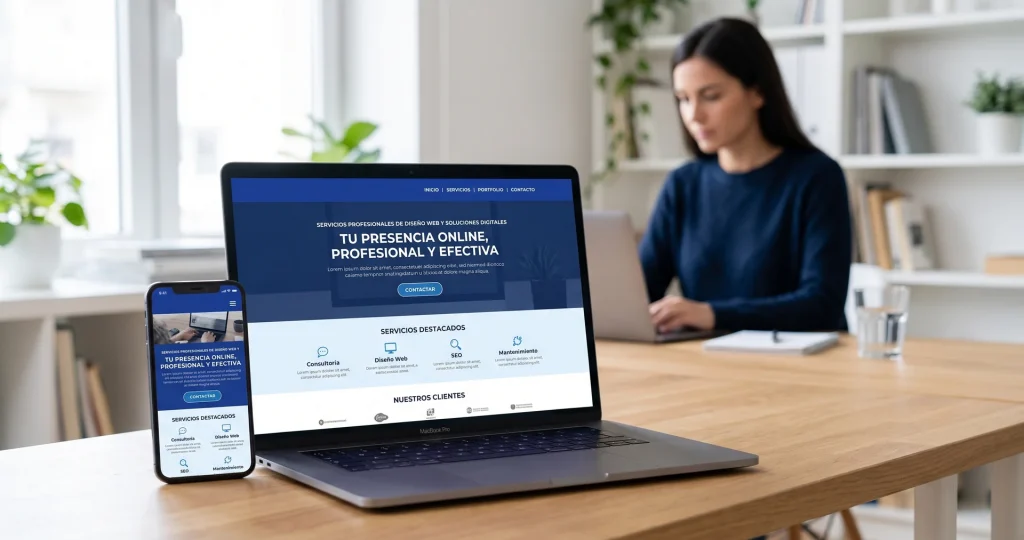
Web design for freelancers in Barcelona: which pages you need, what it costs and how to get a professional, affordable website that wins clients.

What AI search optimisation (GEO) is and how to get ChatGPT, Gemini and Perplexity to recommend your company in Barcelona.