Digital advertising
How much Google Ads costs: spend, management fees and a realistic budget
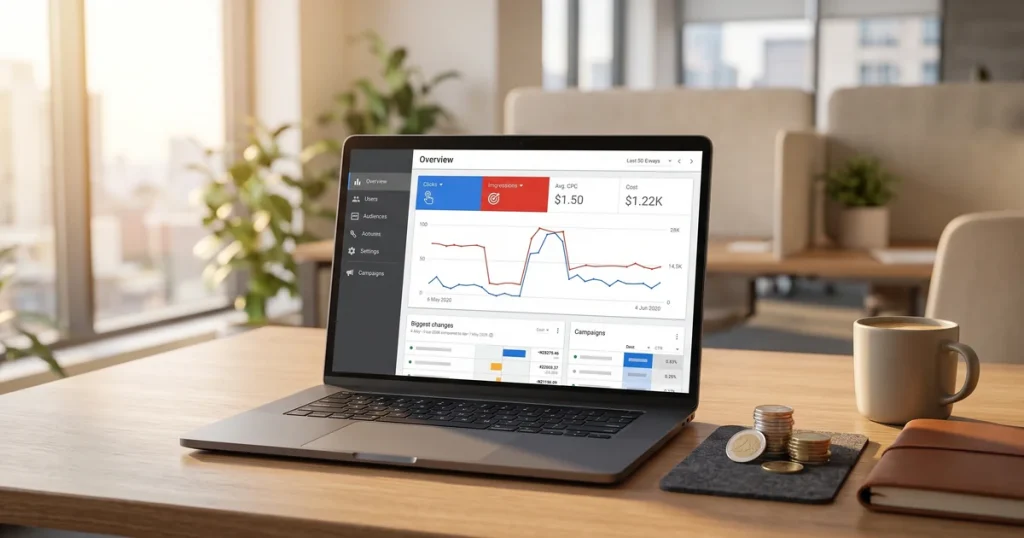
How much Google Ads costs: what you pay Google, what an agency charges to manage it and what budget you need for it to pay off.
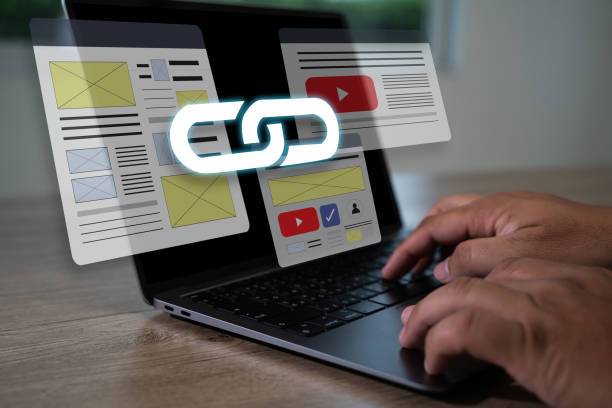
Link building is the SEO strategy of getting other websites to link to yours in order to build your authority in Google’s eyes. It is one of the most important ranking factors and also one of the hardest to get right.
A good link building strategy does not just improve your organic rankings; it strengthens your presence in Google’s AI Overviews, where sites with higher domain authority have an advantage when it comes to being cited as a source.
In this guide we explain what link building is, what types of links exist, how to earn them safely and which mistakes to avoid. Practical information from our SEO agency in Barcelona, where link building is a core part of every strategy.
Link building is an off-page SEO strategy aimed at getting other websites to link to your site. These external links, known as backlinks, work like votes of confidence in Google’s eyes: the more quality links your site receives, the more authority it has and the better it ranks.
Think of backlinks as professional recommendations. If recognised experts in your field recommend your content by linking to it, Google reads that as a sign your site offers valuable, relevant information. That trust signal is one of the most important ranking factors in the algorithm, alongside on-page optimisation and technical SEO.
Link building can be natural (when other sites link to your content spontaneously because they find it useful) or proactive (when you run specific campaigns to earn those links). A complete SEO strategy combines both: creating excellent content that attracts natural links, and adding outreach to speed up results.
Backlinks are fundamental because they are one of the three pillars of SEO, alongside content and technical optimisation. When an authoritative site links to yours, it passes on part of its reputation, which Google reads as a quality signal.
These are the concrete benefits link building brings to your digital strategy:
A Backlinko study of more than 11 million search results confirmed a direct correlation between the number of unique domains linking to a page and its position in Google. Pages in first place have on average 3.8 times more backlinks than positions 2-10.
Not every link carries the same SEO value. It is essential to understand the difference between the two main types:
These are standard links that pass authority (link juice) from one page to another. When a site links to you with a dofollow link, it is telling Google: “I trust this content and I recommend it”. These are the most valuable links in your strategy because they affect your rankings directly.
These carry the rel=”nofollow” attribute, telling Google not to pass authority. They are common in blog comments, forums and sponsored links. Although they do not pass authority directly, they are still useful: they bring referral traffic, they diversify your link profile (something Google likes) and they raise your brand’s visibility.
Google introduced extra attributes to classify links more precisely:
A natural link building strategy should include a mix of dofollow and nofollow links. A profile that is 100% dofollow can look artificial to Google.

Not all backlinks are worth the same. Google weighs a number of factors to determine a link’s quality and its impact on your rankings:
The golden rule: always put quality ahead of quantity. A single link from a major media outlet can have more impact than 100 links from low-quality directories.
There are many techniques for earning quality backlinks. The most effective and sustainable over the long term are:
This means writing articles for other blogs or publications in your field in exchange for a link back to your site. It is one of the most effective strategies because you give the publisher real value. To find opportunities, search Google for terms like “write for us + your industry” or look at where your competitors publish.
Create content so valuable that others want to link to it naturally: original studies with your own data, infographics, free tools, exhaustive guides or unique resources. Content that earns links usually solves a specific problem or provides information that exists nowhere else.
Find broken links on sites in your field (pages returning a 404) and contact the webmaster offering your content as a replacement. Tools like Ahrefs or Check My Links make this easier. It is win-win: you help the site fix a problem and you earn a link.
Monitor mentions of your brand online. When someone mentions you without linking, get in touch politely and ask them to add the link. Tools such as Google Alerts or Mention help you track these opportunities.
Study your competitors’ backlink profiles with tools like Ahrefs or SEMrush. Identify which sites link to them and work out how to earn similar links. If a publication has linked to a competitor, it is probably open to linking to similar content in the sector.
Badly executed link building can seriously damage your rankings. These are the most frequent mistakes to avoid:
Link building is a fundamental part of any serious SEO strategy. It takes knowledge, time and careful execution to avoid penalties and get the most out of it.
At JRC Web we have spent years helping businesses improve their rankings with ethical, effective link building. As an SEO agency in Barcelona, we analyse where you stand, identify opportunities and run campaigns that deliver sustainable results.
Alongside SEO, we offer professional web design so your site not only ranks well but also turns visitors into customers.
Want us to analyse your site’s backlink profile? Get in touch and we will run a free audit with recommendations tailored to your business.
To run an effective link building strategy you need tools to analyse backlinks, find opportunities and monitor results:
For a fuller picture of your SEO situation, we recommend an SEO audit that includes an analysis of your current backlink profile.
There is no magic number of backlinks needed to rank. It depends on your industry, the competition and the goals of each page. What matters is not the quantity but the quality and relevance of the links.
To work out how many backlinks you need, analyse your direct competitors:
A practical approach: start by earning 1-2 quality backlinks a month. That pace is sustainable, looks natural to Google and lets you build authority steadily. Over time, as your content gains visibility, natural links will complement your proactive work.
Your link building strategy varies with the type of business and its goals:
Prioritise guest posting, creating linkable content (studies, infographics) and taking an active part in communities in your niche. Networking with other content creators is key to earning natural links and collaborations.
Look for product reviews on specialist blogs, work with influencers in your field and create useful buying guides that others want to link to. Category pages and blog articles are usually better link targets than individual product pages. Good web design makes navigation easier and improves user experience, which indirectly helps you earn links.
Focus on quality local directories, mentions in local media, partnerships with other businesses in the area and sponsorship of local events. Local SEO and consistent NAP citations (Name, Address, Phone) are fundamental for this kind of business.
Thought leadership content is your best asset. Publish industry studies, speak at events, work with professional associations and look for mentions in the specialist media in your industry.
Link building is a long-term strategy. Results are not immediate because Google needs time to discover, crawl and evaluate the new links you earn. That process can take anywhere from weeks to several months.
Factors that affect how quickly you see results:
As a general guide, expect 3 to 6 months before you see significant results from a consistent link building campaign. Patience is key: the results are cumulative and the long-term impact usually exceeds initial expectations.
Yes. Domain authority, which is built largely through quality link building, is one of the factors Google weighs when choosing sources for its AI Overviews. A site with good inbound links from relevant places has a better chance of being cited in AI-generated answers than a site with no external authority.
Click to rate this post!
How useful did you find this content?
Click a star to rate it!
Average rating!0/ 5. Vote count0
No votes yet! Be the first to rate this post.
How much Google Ads costs: what you pay Google, what an agency charges to manage it and what budget you need for it to pay off.
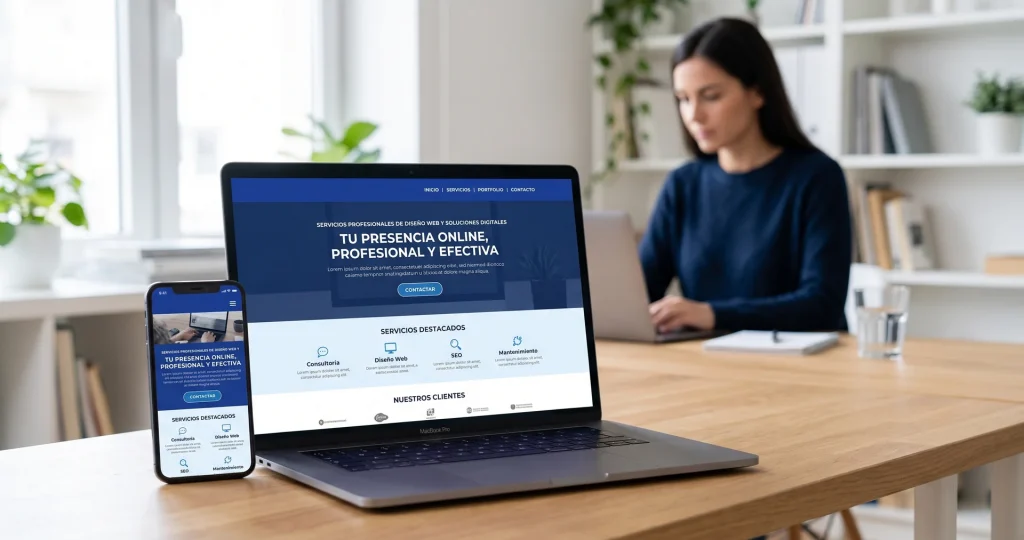
Web design for freelancers in Barcelona: which pages you need, what it costs and how to get a professional, affordable website that wins clients.

What AI search optimisation (GEO) is and how to get ChatGPT, Gemini and Perplexity to recommend your company in Barcelona.