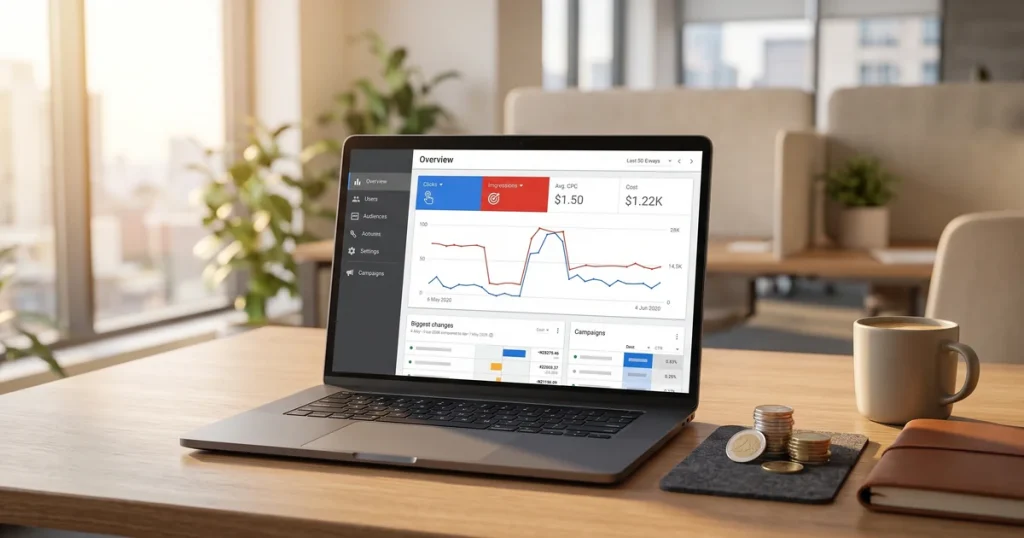
Digital advertising
How much Google Ads costs: spend, management fees and a realistic budget
How much Google Ads costs: what you pay Google, what an agency charges to manage it and what budget you need for it to pay off.

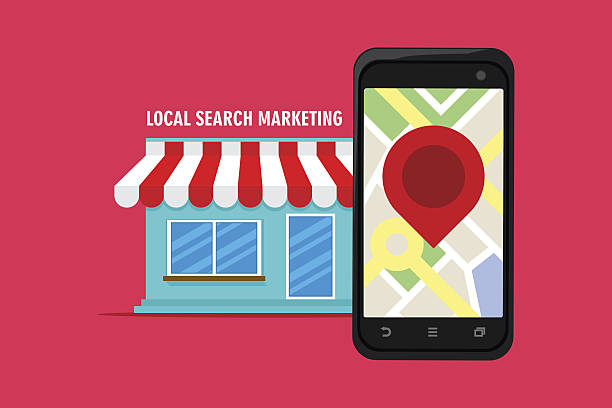
Local SEO matters because of how people search today. More than 75% of consumers look for local businesses on Google, and “near me” searches have more than doubled in recent years.
According to Google’s own research, 76% of users who find an answer to a local search visit the business within the next 24 hours, and 28% of those searches end in a sale. That shows local traffic carries very high purchase intent.
Google uses a specific algorithm for local searches that weighs three main factors alongside the traditional SEO criteria:
Google works out whether your business matches what people are searching for. To stand out on relevance you need to optimise your Google Business Profile with detailed information, the right categories and local keywords.
Google uses the user’s location from GPS or IP address to show the closest businesses. Even with a well-optimised profile, a competitor closer to the user may appear above you.
Your business’s authority affects local rankings. Google weighs positive reviews, directory mentions, inbound links and how well known your brand is in the area.
When someone runs a search with local intent, Google shows two different kinds of result you need to know about:
The highlighted block at the top of the results showing three local businesses as cards, alongside an interactive map. It displays the essentials: reviews, opening hours, address and phone number. Appearing here gives you maximum visibility.
The traditional links below the Local Pack. They offer more detail about your business and are valuable because they complement your presence in the local pack.
Ideally you appear in both: the Local Pack to catch immediate attention, and the organic results to reinforce your authority and give more information.
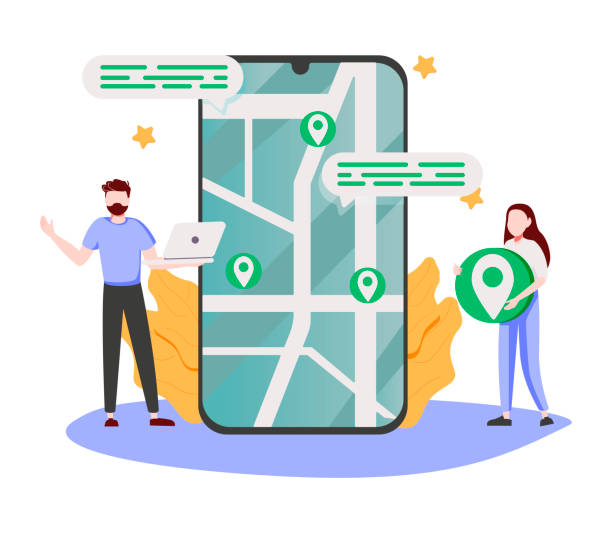
Google Business Profile (formerly Google My Business) is the most important free tool for local SEO. Google pulls information from this listing to decide how your business ranks in local searches.
The more complete your profile, the more confident Google will be about ranking you at the top of the Local Pack.
NAP citations are mentions of your business that include its Name, Address and Phone number. They appear in business directories, on social networks and on other websites.
Google uses these citations to verify that your company information is accurate and consistent. The more consistent mentions it finds, the more it trusts your business as legitimate and worth showing in the results.
reviews are one of the most important local SEO factors. Google uses them to judge the quality and reputation of your business, and people read them before deciding where to buy.
According to Google, replying to reviews shows you value customer feedback, which helps your rankings. Both positive reviews and the total number influence your visibility.
Local keyword research means finding the terms people use when they search for products and services in your area. Ranking for those terms brings highly qualified local traffic.
Local long tail keywords usually face less competition and carry more purchase intent. For example, “24 hour emergency vet Valencia” is more specific and converts better than just “vet Valencia”.
Local on-page SEO means optimising your website’s pages so Google understands where you are and which local searches you are relevant for.
It is also important to create dedicated pages by location if you have several premises or serve different areas. Each page needs unique content relevant to that area.
Local backlinks are links from other websites in your area pointing to yours. Google treats them as signals of local trust and relevance, which improves your rankings in geolocated searches.
The key is earning links from sites with local relevance, not just any link. A link from your city’s newspaper is worth more than one from a generic blog.
Most local searches happen on mobile devices. People look for businesses while they are out and about, ready to visit or call straight away.
Google prioritises mobile-optimised sites in its results, especially for local searches. If your site does not look right on a smartphone, you will lose positions and potential customers.
To run and monitor your local SEO strategy you need the right tools. These are the most important ones:
With these tools you can audit where you stand, spot opportunities and measure how your local strategy is progressing.
👉 Need help with your business’s local SEO? Take a look at our Local SEO service in Barcelona and start appearing on Google Maps.
Click to rate this post!
How useful did you find this content?
Click a star to rate it!
Average rating!0/ 5. Vote count0
No votes yet! Be the first to rate this post.
How much Google Ads costs: what you pay Google, what an agency charges to manage it and what budget you need for it to pay off.
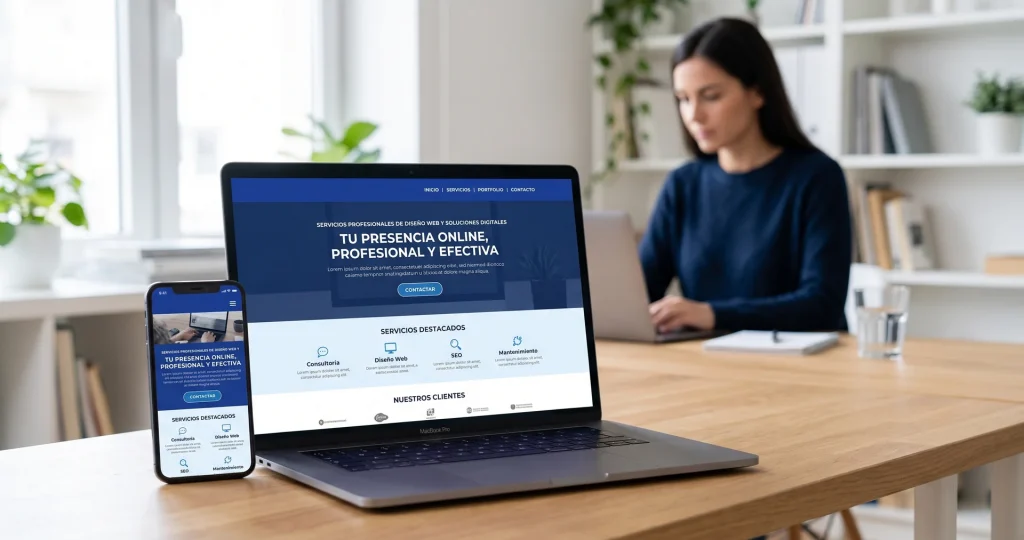
Web design for freelancers in Barcelona: which pages you need, what it costs and how to get a professional, affordable website that wins clients.

What AI search optimisation (GEO) is and how to get ChatGPT, Gemini and Perplexity to recommend your company in Barcelona.